
Violent Gen Z-Led Protests Shake Nepal: Dozens Dead, PM Resigns Amid Social Media Ban 2025

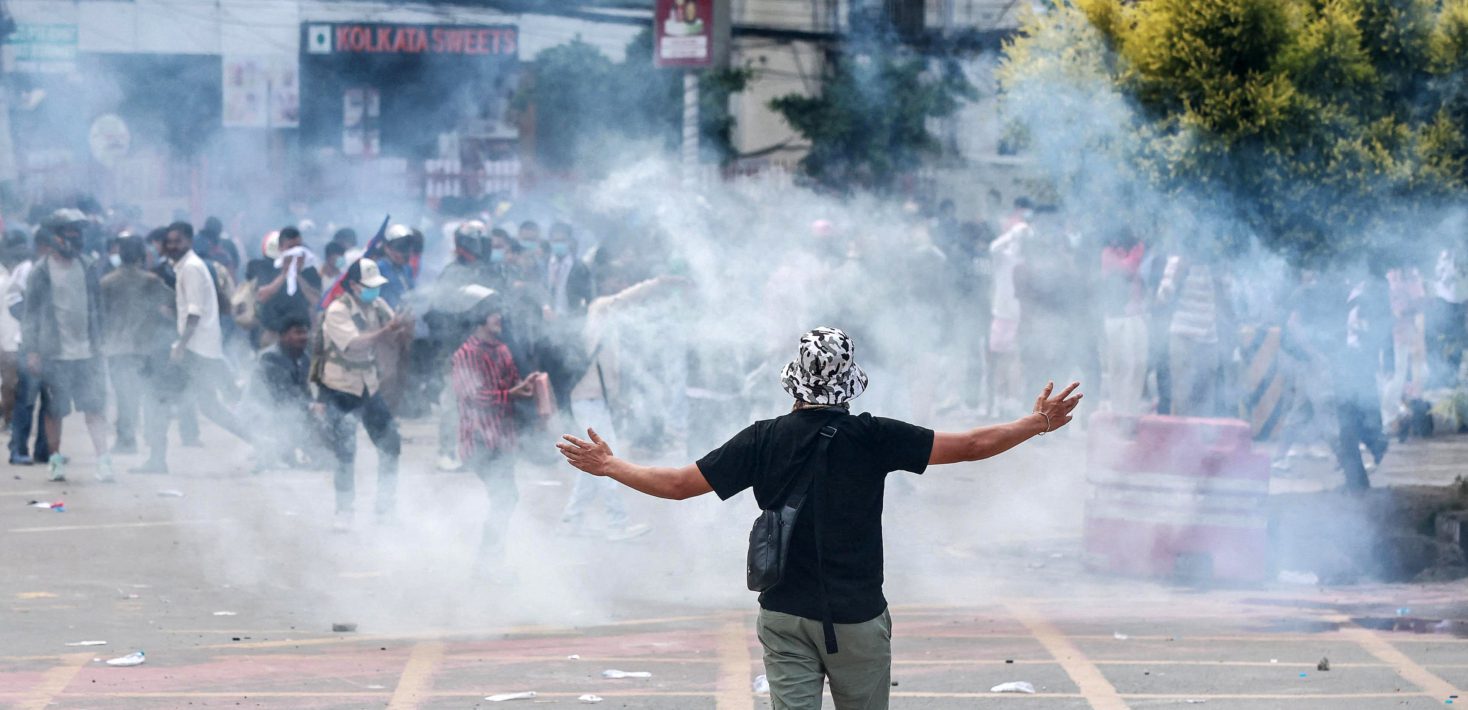
Gen Z-led protests in Nepal kill 19, force PM Oli to resign, and trigger army curfews in Kathmandu amid violence, corruption anger, and social media ban.
Nepal in Turmoil as Gen Z Protests Topple PM Oli
Nepal has plunged into chaos after youth-led protests turned deadly, leaving at least 19 people dead and forcing Prime Minister K.P. Sharma Oli to resign.
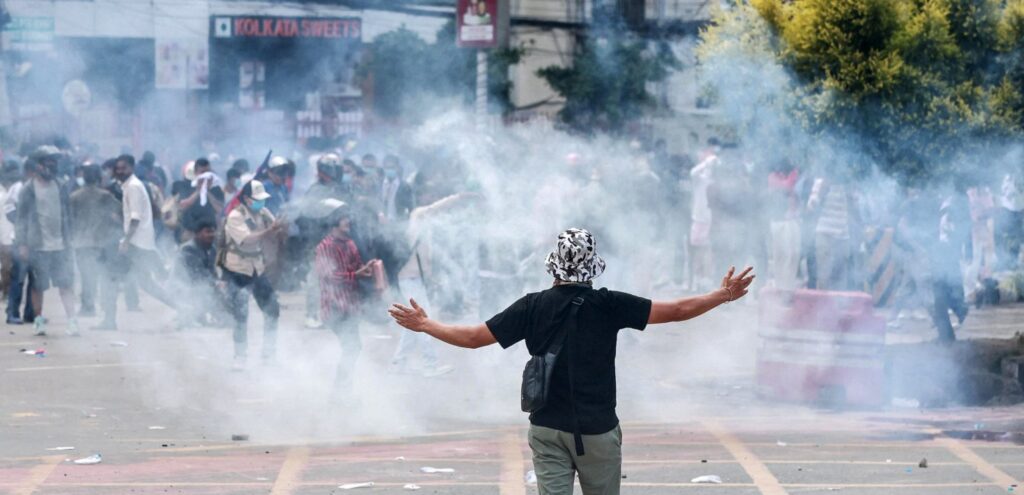
The unrest, fueled by anger over corruption, nepotism, high unemployment, and a government ban on social media, quickly escalated into violent clashes across Kathmandu. Security forces fired tear gas and live rounds, prompting the army to impose a strict curfew in the capital.
Protesters torched government offices, stormed parliament, and set fire to hotels, while international flights bound for Kathmandu were diverted. Streets in central districts are now under heavy military patrol.
The movement, led by Nepal’s Gen Z, has been driven largely through digital mobilization despite the ban. Hashtags like #GenZRevolt and #NepoKid have gone viral, turning the protests into a nationwide uprising.
With Oli’s resignation, demonstrators insist their fight is not over. They are demanding deep reforms and an end to the political culture they say has failed the country. Regional powers, including India, are closely monitoring the situation as instability threatens to spill beyond Nepal’s borders.
Report Overview
| Aspect | Details |
|---|---|
| Trigger | Social media ban amid deep-rooted corruption, unemployment, and frustration (Gen Z-centric). |
| Mortality Toll | Prime Minister Oli resigns; protests press on, demanding structural governance reforms. |
| Political Aftermath | Prime Minister Oli resigns; protests press on demanding structural governance reforms. |
| Security Response | Army enforced curfews, street patrols, and the detainment of rioters. |
| Civil Disruption | Office burnings, flight cancellations/diversions, and damage to public infrastructure. |
| Youth Role | Digital-savvy Gen Z employed social media for protest coordination and messaging. |
| Regional Impact | Approximately 19 protesters were killed during violent law enforcement interventions. |
Youth-led demonstrations erupted across Kathmandu, sparked by a government-imposed ban on major social media platforms and widespread disillusionment with political corruption and economic stagnation. Security forces deployed tear gas, rubber bullets, and live ammunition to quell crowds, resulting in approximately 19 deaths over two days.
Under mounting pressure, Prime Minister K.P. Sharma Oli tendered his resignation, signaling a major political shift. However, unrest persists as protesters demand systemic reforms, not merely a change in leadership.
In response, the Nepali Army was called in to enforce indefinite curfews in key districts, including Kathmandu’s central Singha Durbar area. Soldiers patrol the streets as attempts are made to restore order.
Protesters set fire to government buildings, including the Parliament, and stormed official premises. The unrest disrupted daily life flights to Kathmandu were diverted, and hotels were reportedly torched.
The “Gen Z” movement, propelled by high youth unemployment (over 20%) and a surge of anti-nepotism campaigns (notably the “Nepo Kid” hashtag), has galvanized nationwide protests. Activists used platforms like TikTok and Viber to mobilize rapidly.
India issued travel advisories and scrambled emergency response cells as Indian tourists and citizens navigated the chaos. The looming threat of regional instability prompted concern among neighboring nations.
This unprecedented, youth-driven uprising marks a turning point in Nepal’s political climate. It reflects generations’ intolerance toward nepotism and systemic failure. The swift use of social platforms for mobilization demonstrates the power of Gen Z influence and underlines a growing challenge to entrenched political norms. As Oli steps down, the question remains: Will Nepal seize this moment to reform, or fall back into familiar turbulence?
