
“Islamophobia Exposed: The Shocking Reality for 1.9 Billion Muslims Worldwide – How Hate Threatens Us All”


Islamophobia refers to the irrational fear, hatred, or prejudice against Islam and Muslims. It manifests in stereotypes, discrimination, hate speech, and even violence. Rooted in historical conflicts, political rhetoric, and media bias, Islamophobia has grown into a global issue affecting millions. This article explores its causes, real-world consequences, and ways to counter it.
What Is Islamophobia?
Islamophobia is not just criticism of Islam as a religion—it is the systematic targeting of Muslims based on their identity. Key characteristics include:
- Stereotyping: Associating all Muslims with terrorism or extremism.
- Discrimination: Denying jobs, housing, or fair treatment based on religion.
- Violence: Hate crimes, mosque attacks, and verbal abuse.
- Political Scapegoating: Using Muslims as a “threat” to justify policies like travel bans or surveillance.
Forms of Islamophobia
- Individual Bias – Personal prejudices leading to exclusion or harassment.
- Institutional Discrimination – Laws unfairly targeting Muslims (e.g., hijab bans in France).
- Media & Pop Culture – Portraying Muslims as villains or backward.
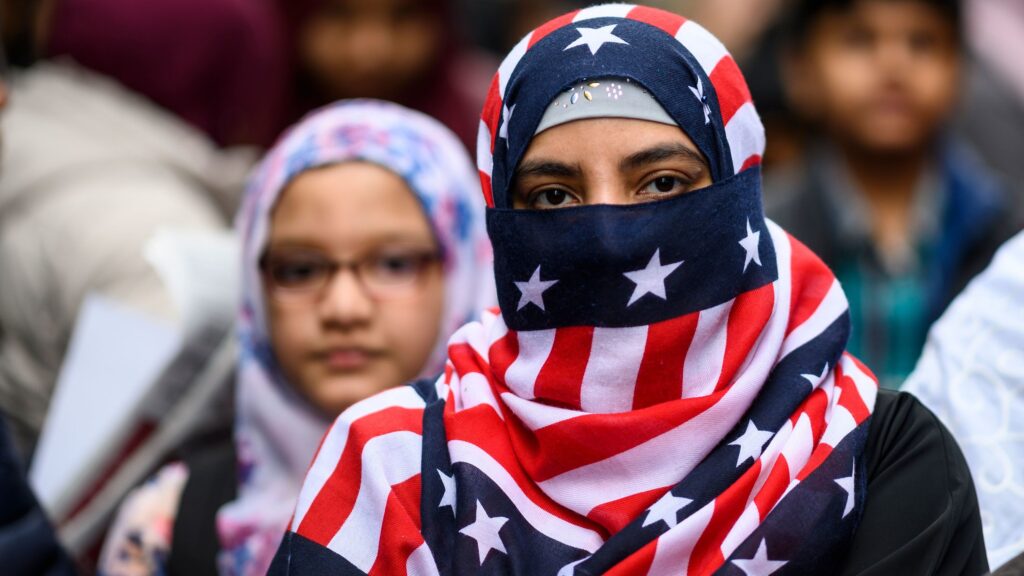
Why Does Islamophobia Exist?
1. Historical Context
- Crusades & Colonialism: Centuries of conflict between Muslim and Christian empires.
- Post-9/11 Era: The “War on Terror” intensified anti-Muslim sentiment.
2. Political Exploitation
- Far-right politicians use “Muslim invasion” rhetoric to gain votes.
- Laws like the “Muslim Ban” (U.S., 2017) institutionalized discrimination.
3. Media Misrepresentation
- Studies show Muslims are often linked to terrorism in news coverage.
- Films/TV reinforce stereotypes (e.g., the “angry Muslim extremist” trope).
The Impact of Islamophobia
1. Psychological Harm
- Muslims report anxiety, depression, and fear of public spaces.
- Children face bullying in schools for wearing hijabs or having Muslim names.
2. Economic & Social Exclusion
- Job discrimination: Muslims with “foreign-sounding” names get fewer interviews.
- Housing denials based on religion.
3. Rise in Hate Crimes
- 2019 Christchurch Mosque Shooting (NZ): 51 killed by a white supremacist.
- 2022 Islamophobic Attacks in India: Lynchings over beef rumors.
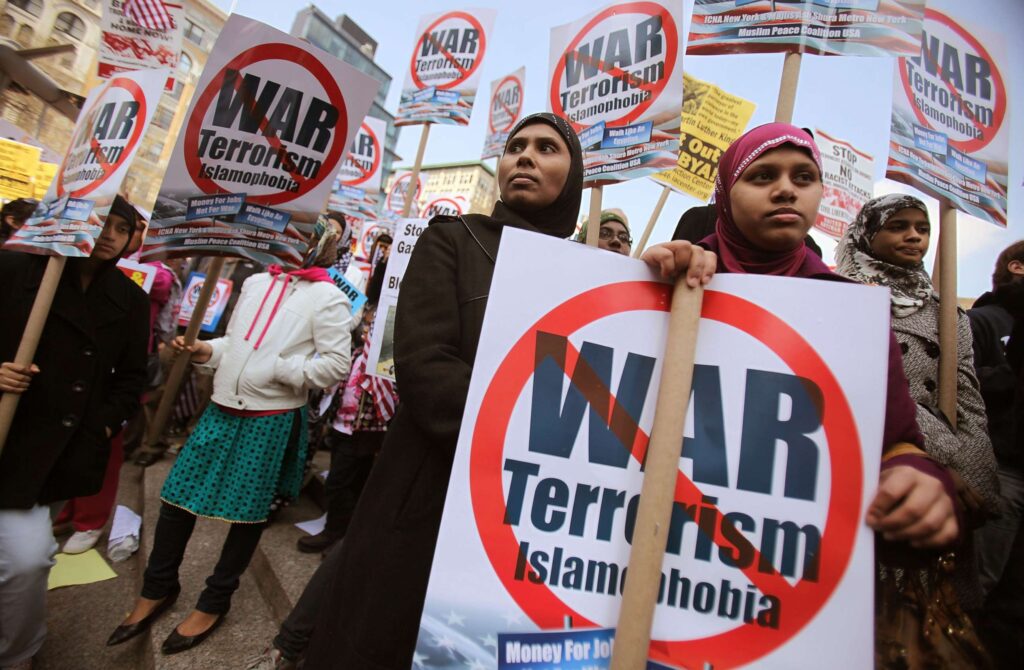
How to Combat Islamophobia
1. Education & Awareness
- Teach about Islam in schools to dispel myths.
- Media literacy programs to counter biased narratives.
2. Legal Protections
- Strengthen hate crime laws to include religious bias.
- Challenge discriminatory policies (e.g., hijab bans).
3. Interfaith Solidarity
- Encourage dialogue between Muslims and other communities.
- Support Muslim-led activism (e.g., CAIR, MPAC).
4. Call Out Stereotypes
- Challenge Islamophobic jokes or comments.
- Amplify Muslim voices in media and politics.
Conclusion
Islamophobia is not just a Muslim issue—it’s a societal disease that fuels division. Combating it requires education, policy changes, and collective action. By rejecting stereotypes and standing against hate, we can build a more inclusive world.
